Connect with Us
Thank you for reaching out to us. Please fill out the form below and a member of our ACCADA team will connect with you.
Kratom: When “Natural” Doesn’t Mean Safe
How did you first hear about kratom?
Maybe someone mentioned it as a natural remedy for pain or anxiety.
Maybe you saw it sold openly at a gas station or smoke shop and assumed it must be safe.
Or maybe a friend or loved one turned to kratom, believing it was a healthier alternative to other substances.
These questions and assumptions are becoming more common in the Ashland County community, and so is the confusion.
As misinformation about kratom spreads online and in communities, the need for clear, evidence-based education grows. At ACCADA, our goal is to help families, teens, and young adults understand what kratom is, why it can be risky, and how to recognize warning signs early.
What Is Kratom?
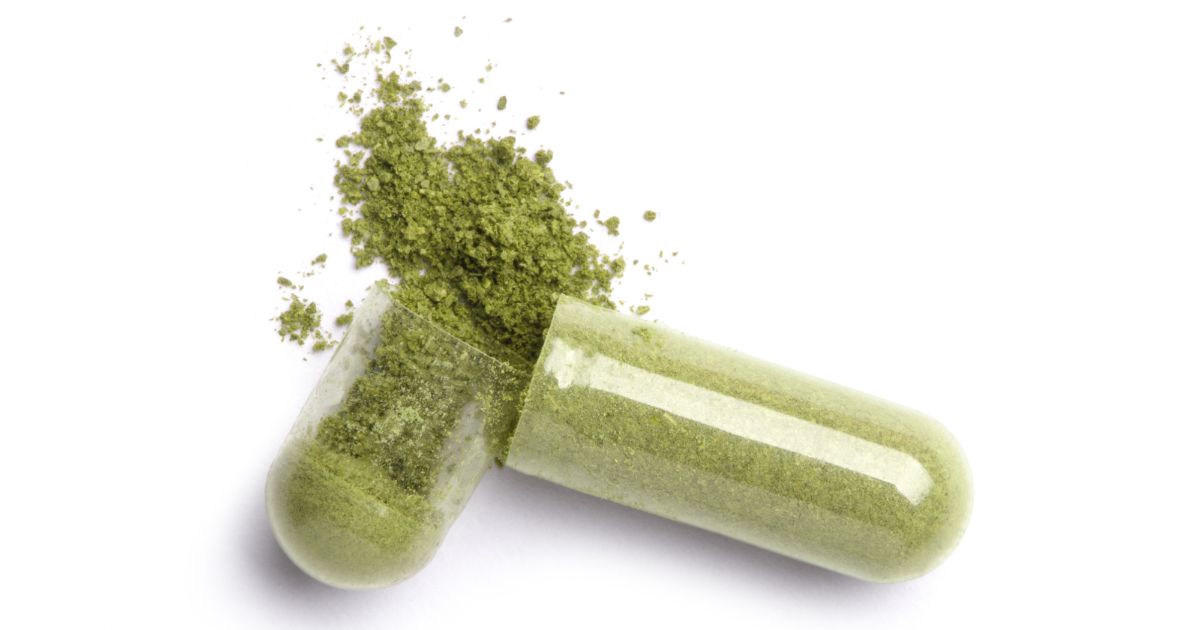
Kratom is a substance made from the leaves of the Mitragyna speciosa tree, which grows in Southeast Asia. It is sold in the United States as powders, capsules, teas, or liquid extracts and is often marketed as a “natural” or “herbal” product.
Kratom products have been legal in Ohio, but state lawmakers are now considering new regulations and emergency restrictions that could change how these products are produced, labeled, and sold throughout the state. Legality does not mean it is harmless in Ashland County.
Kratom contains compounds that act on the same opioid receptors in the brain as prescription painkillers and heroin. At lower doses, it may produce stimulant-like effects. At higher doses, it can act more like an opioid, causing sedation, euphoria, and slowed breathing.
Why There Is So Much Confusion About Kratom
One of the biggest challenges surrounding kratom is the way it is marketed.
Because it comes from a plant, kratom is often described as:
- “Natural”
- “Medicinal”
- “A safe alternative for pain or anxiety”
- “Helpful for opioid withdrawal”
These claims sound reassuring but they overlook important risks.
There is limited scientific evidence supporting kratom as a safe or effective treatment for pain, anxiety, or substance use recovery. What is well-documented are the growing concerns about dependency, mental health effects, and dangerous interactions with other substances.
The Real Risks of Kratom Use
Kratom use carries several risks, especially with regular or high-dose use:
- Dependence and addiction: The body can develop tolerance, leading to cravings and withdrawal symptoms such as irritability, anxiety, muscle aches, nausea, and insomnia.
- Mental health effects: Anxiety, agitation, mood swings, depression, and paranoia have been reported.
- Physical side effects: Nausea, vomiting, constipation, rapid heart rate, liver damage, and seizures.
- Overdose risk: Especially when kratom is mixed with alcohol, prescription medications, or other drugs.
- Risk for relapse: For individuals in recovery, kratom can activate opioid pathways in the brain and increase the risk of returning to opioid use.
Because kratom products are not regulated, strength and purity vary widely. Some products have been found to contain contaminants or much higher doses than expected, making use even more unpredictable.
Kratom and Young People
Teens and young adults may be especially vulnerable to kratom-related harm. Kratom is often marketed as a focus aid, stress reliever, or wellness supplement, which makes it seem safer than other substances.
However, young brains are still developing. Early exposure to substances that affect brain chemistry increases the risk of addiction, mental health challenges, and long-term substance use issues.
Signs Someone May Be Using Kratom
Recognizing possible warning signs early can make a difference.
Behavioral signs
- Increased secrecy or withdrawal
- Changes in friend groups
- Declining school or work performance
- Loss of interest in activities once enjoyed
Physical signs
- Ongoing nausea or stomach problems
- Changes in sleep patterns
- Sweating, low energy, or tremors
- Unexplained powders, capsules, or small bottles
Mental and emotional signs
- Anxiety or restlessness
- Mood swings or irritability
- Difficulty concentrating
- Distress or cravings when not using
Legal Does Not Mean Safe
Kratom’s legal status in Ashland County has added to community confusion. Like alcohol or tobacco, a substance can be legal and still carry serious health risks—especially when misinformation minimizes those risks.
Education and prevention are key.
Ohio’s prevention approach to kratom is evolving. In late 2025, the state legislature introduced Senate Bill 299, which would regulate the sale and production of kratom products across Ohio. If enacted, the bill would:
- Require product registration with the Ohio Department of Agriculture
- Set limits on certain compounds like 7-hydroxymitragynine
- Mandate clear labeling of mitragynine and 7-OH content
- Prohibit sales to individuals under age 18
- Ban synthetic kratom compounds entirely
In addition, the Ohio Board of Pharmacy issued an emergency rule in December 2025 banning most kratom-related products for 180 days while longer-term regulation is considered.
These developments reflect growing concern among lawmakers and public health officials about the potential harms associated with unregulated kratom products—particularly those with highly concentrated or synthetic active compounds.
You Don’t Have to Navigate This Alone
If you are a parent, caregiver, teen, or young adult with questions about kratom, support is available.
At ACCADA, we provide trusted, evidence-based prevention education and support for individuals and families navigating substance use concerns.
⇒ Reach out to ACCADA for additional information, prevention resources, and guidance.
⇒ If you’re concerned about yourself or someone you care about, seek help by connecting with local support.
Confusion thrives in silence—but clarity starts with conversation. ACCADA is here to help our community make informed, healthy decisions.
« Back to Blog