Connect with Us
Thank you for reaching out to us. Please fill out the form below and a member of our ACCADA team will connect with you.
Beyond the Wheel: The Truth About OVI Charges
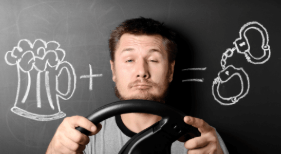
Beyond the Wheel: The Truth About OVI Charges
It’s Friday night, the group chat is active, and you are ready to head out. Many people think an OVI (Operating a Vehicle Impaired) only happens if you drink too much alcohol and drive a car. But that is a huge myth!
Understanding how OVIs work can save you from big legal trouble, heavy fines, and dangerous accidents. Staying safe means knowing the law before you step out the door.
The Real Cost of an OVI
Getting pulled over for an OVI affects your life right away. The consequences hit your budget, your freedom, and your future.
- Legal and Financial Trouble: An OVI arrest can lead to costly court fees, expensive fines, losing your driver's license, or spending time in jail.
- School and Job Impact: Having an OVI on your criminal record can cause you to lose scholarships, get kicked out of campus housing, or fail background checks for future jobs.
- Safety Risks: Driving or riding while impaired slows down your brain and reaction time, making crashes much more likely.
The Myth vs. The Reality
Many people hold wrong ideas about what actually counts as an OVI. Here is what you need to know:
Myth 1: OVI Only Counts for Alcohol
Reality: An OVI applies to any substance that impairs your ability to drive safely. Public health research shows that cannabis, prescription medications, and illegal drugs all impair cognitive and motor skills. Driving after using cannabis or taking certain doctors' pills can slow your brain function and double your collision risk.
Myth 2: You Can Only Get an OVI in a Car
Reality: You do not need to be behind the wheel of a car or truck to get an OVI. Police officers can cite you for operating other forms of transportation while under the influence. Studies show that riding a bicycle while intoxicated significantly reduces balance, stability, and brain reaction time, leading to serious accidents. Riding e-scooters after drinking or using drugs is also a major safety hazard that leads to high rates of impairment and emergency room visits.
Why People Get Confused
It is easy to see why people fall for these myths:
- False Sense of Safety with Drugs: Many young adults assume cannabis or prescription drugs are safe for driving because they are legal in many places or prescribed by a doctor.
- Not Knowing Traffic Laws: Most riders do not realize that traffic safety rules apply to non-motorized options like bicycles, as well as micromobility devices like e-scooters.
4 Practical Ways to Stay Safe
Protecting yourself and others on the road comes down to making smart plans ahead of time:
- Know your medication: Check warning labels on prescription drugs to see if they cause drowsiness or impair driving skills.
- Avoid two-wheeled rides: If you have been drinking or using drugs, do not ride a bicycle or e-scooter.
- Lock in a ride: Set up a rideshare app or choose a sober designated driver before going out.
- Use public transit or walk: Choose safe transportation options where you are not operating any vehicle.
Moving Forward
Staying safe on the road is all about making smart choices. Knowing that an OVI applies to more than just alcohol and cars helps you protect your license, your wallet, and your future goals.
To learn more about drug and alcohol prevention, traffic safety, and local community support, connect with ACCADA.