
Connect with Us
Thank you for reaching out to us. Please fill out the form below and a member of our ACCADA team will connect with you.
From Caffeine to Nicotine: The New Gateway Trend
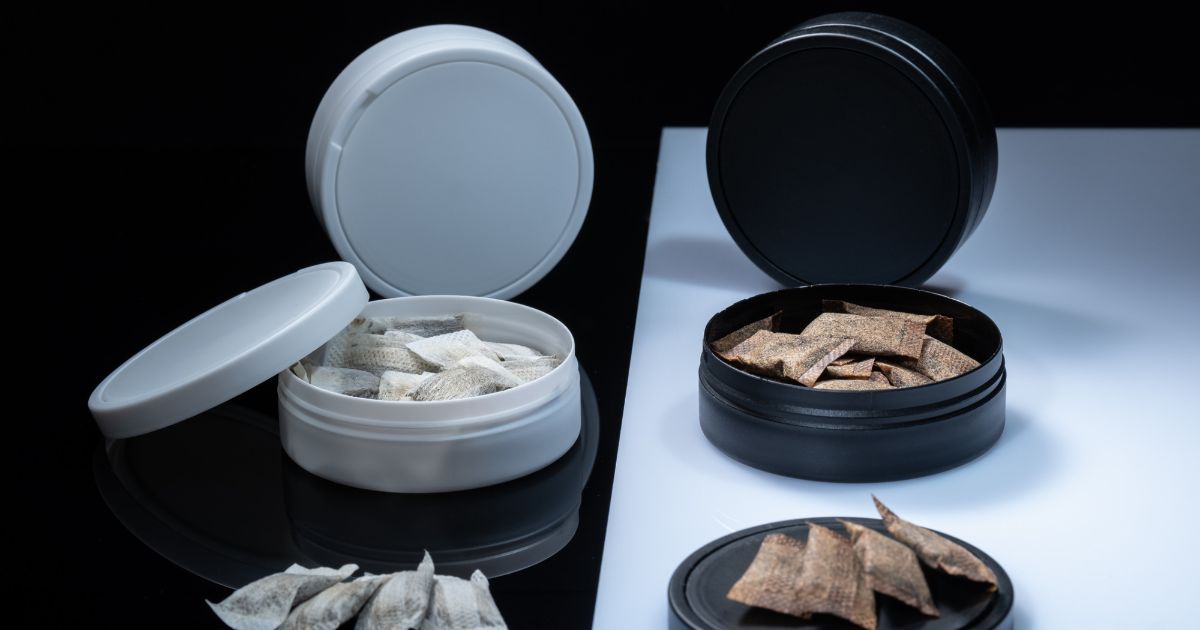
Look inside a locker room or convenience store today, and you will spot a quiet shift: young people tucking tiny white pouches under their lip.
While nicotine pouches started this trend, a new wave of caffeine pouches has exploded as a sugar-free energy drink alternative. Because they look and feel identical to nicotine products, public health experts are asking an urgent question: Are caffeine pouches training young people for a future nicotine addiction?
Same Habit, Different Chemical
Both products are small pouches placed between the lip and gum. This lets the chemical absorb directly through the mouth into the bloodstream. However, their impact on a growing brain is very different:
Feature | Caffeine Pouches | Nicotine Pouches |
Active Stimulant | Caffeine (50mg - 150mg) | Nicotine Salts (3mg - 20mg) |
The Effect | Increase alertness; blocks fatigue | Triggers a heavy dopamine rush |
Addiction Risk | Low (mild caffeine withdrawal) | Exceptionally high physical dependency |
Age Limit | No federal Limit | Strictly 21+ |
Source: U.S. FDA Center for Food Safety and Applied Nutrition (Dietary Supplement Regulations) vs. FDA Center for Tobacco Products (Federal Tobacco 21 Law).
The Gateway Concern: Normalizing the Ritual
Because caffeine pouches have no age limits, they are easily available to teens. Addiction experts warn that dependency is heavily driven by habits, not just chemicals:
- The Physical Habit: Tucking a pouch quickly becomes an automatic routine while studying, exercising, or hanging out.
- Lowering the Boundary: Once putting a pouch in the mouth feels normal, switching to a nicotine pouch feels familiar instead of scary.
- Social Situations: When offered a nicotine pouch at a party, the movement is already second nature, making it much easier to say yes.
According to the CDC’s National Youth Tobacco Survey, nicotine pouches are already the second most common youth nicotine product, showing how fast oral pouch habits can take hold.
Blurring the Lines in Stores
Store shelves are introducing teens to the pouch routine. With matching packaging, bright colors, and flavors like cool mint and sour apple, convenience stores often place caffeine and nicotine pouches side by side.
Medical experts note that caffeine pouches deliver high doses—often 50mg to 200mg per pouch, equal to two cups of coffee—causing quick heart rate spikes and anxiety in young bodies. This setup tricks young shoppers into viewing both products as two sides of the same coin.
Practical Steps to Stay Safe
For students, caffeine pouches carry hidden habit-forming risks. For parents, they are something to watch closely. By copying the delivery system of an addictive drug, caffeine pouches are training a new generation in the physical habits of nicotine use. Lower your risk with a few simple steps:
- Recognize the Pattern: Notice how packaging makes pouch habits look harmless.
- Set Personal Boundaries: Decide early to say no to oral pouches in social settings.
- Choose Healthy Energy: Rely on sleep, water, and balanced meals to boost focus naturally.
- Keep Communication Open: Talk openly with family and peers about the hidden risks behind discreet pouches.
Growing up is meant to be a time of personal growth, health, and new opportunities. Making smart choices around pouches helps ensure quick daily trends do not get in the way of your long-term goals.
Learn more about alcohol prevention, support, and local resources through ACCADA.
« Back to Blog