Connect with Us
Thank you for reaching out to us. Please fill out the form below and a member of our ACCADA team will connect with you.
The Social Trap: How Friends Lead to Vaping in College
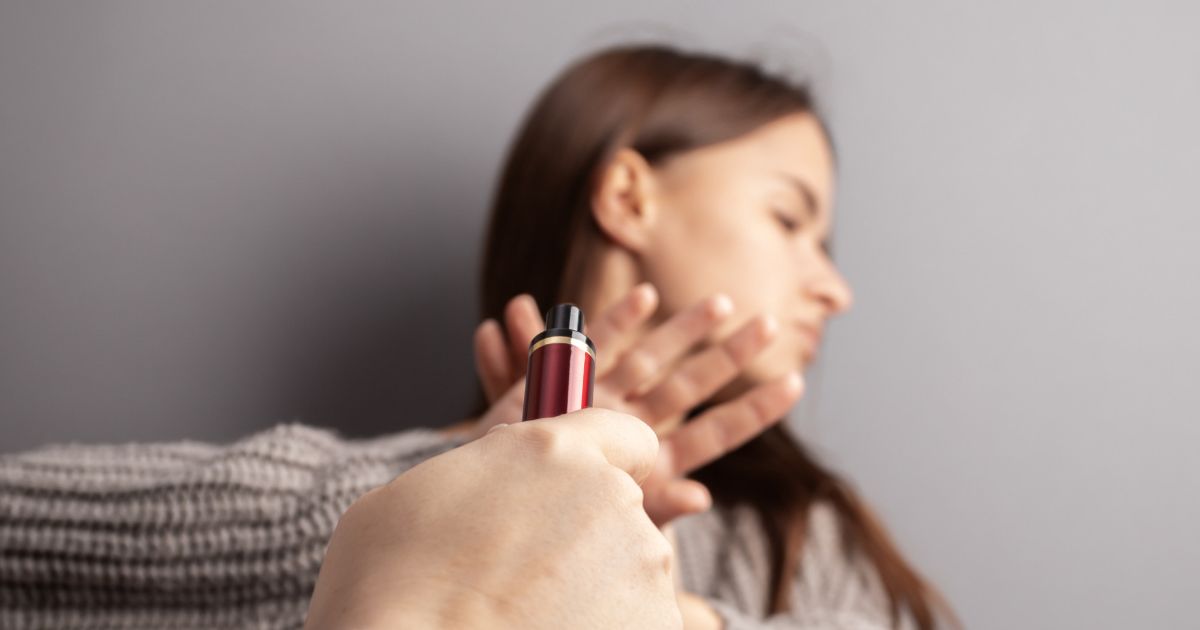
Vaping on college campuses doesn't happen all by itself. It is heavily influenced by friend groups. What seems like a simple personal habit—taking a quick puff between classes or leaving a device sitting on a study desk—is often strongly pushed and reinforced by a student's inner circle.
How Vaping Spreads
In a study published in Addiction Research & Theory, lead author Dr. Joshua Awua and his research team at the University of Texas at Arlington found that when college students frequently talk about vaping in tight-knit friend groups, it starts to feel normal and expected. This constant communication directly causes students to use vapes multiple times a day.
This helps explain why vaping is so common in college life:
- Big Increase: Data from the Substance Abuse and Mental Health Services Administration (SAMHSA) shows that young adult vaping more than doubled from 11.7% in 2020 to 24.1% in 2023.
- Social Acceptance: In a 2024 study published by Afsheen Maqsood and colleagues, researchers found that 58.3% of surveyed university students report that vaping is openly perceived as socially acceptable on their campus.
When a habit becomes this accepted among peers, it stops feeling like a risk and starts feeling like part of the culture.
How Vaping Quickly Leads to Addiction
The chemicals in modern vapes turn what starts as a social habit into a real physical addiction very fast. Modern vape pods use special "nicotine salts" that remove the harsh throat hit of older devices, allowing companies to pack massive amounts of nicotine into smooth, easy-to-hide pods.
According to research published in the Journal of American College Health by Jill Singer and her team, the physical toll happens fast: undergraduates who vape between 6 and 30 days a month face nearly 5 times higher odds of scoring high on the vape dependence scale compared to occasional users.
What feels like a harmless way to connect with friends can quickly turn into a chemical dependence that is much harder to control.
5 Ways to Break the Vaping Cycle
Quitting or changing habits isn't easy, especially when your social group is involved. But small, intentional steps can make a real difference:
- Know your triggers. Pay attention to when you want to vape most, like while studying, driving, or hanging out with certain friends.
- Make vape-free spaces. Ask your friends to keep cars, dorms, and hangouts free of vapes.
- Change the topic. Do not share vapes, talk about flavors, or ask friends to try a hit. Small changes make vaping happen less automatically.
- Support friends without judging. Ask how you can help, listen to them, and remember that quitting nicotine often takes several tries.
- Get help with quitting. A campus health center, nurse, or doctor can help you deal with cravings, bad moods, and sleep problems.
Vaping might start as a fun habit with friends, but nicotine addiction makes it hard to stop. You do not have to quit alone—support from good friends and health experts can help you take back control.
Learn more about vaping prevention, quitting support, and local resources through ACCADA.